What Prostaglandins Do to Your Body: Pain, Pressure & Inflammation Explained
Prostaglandins affect far more than cramps. They influence inflammation, head pressure, fogginess, clot‑related symptom shifts, and chronic illness flare patterns. This blog breaks down the real mind‑body connection behind your cycle symptoms — so you finally understand what your body has been trying to tell you.
HORMONE HEALTH
5/11/20262 min read
Prostaglandins & Chronic Illness: Why Your Symptoms Feel So Intense
Why We Need to Talk About Prostaglandins
Most women grow up believing period pain is “normal.” But what’s actually happening inside your body is chemistry — specifically, prostaglandins.
Prostaglandins are hormone‑like messengers your body releases during your cycle. They’re meant to help your uterus shed its lining… but when they surge too high, they don’t stay in the uterus. They affect your whole body.
And if you live with chronic illness, inflammation, or hormonal imbalance, you often feel prostaglandins more intensely than the average person.
What Prostaglandins Actually Do
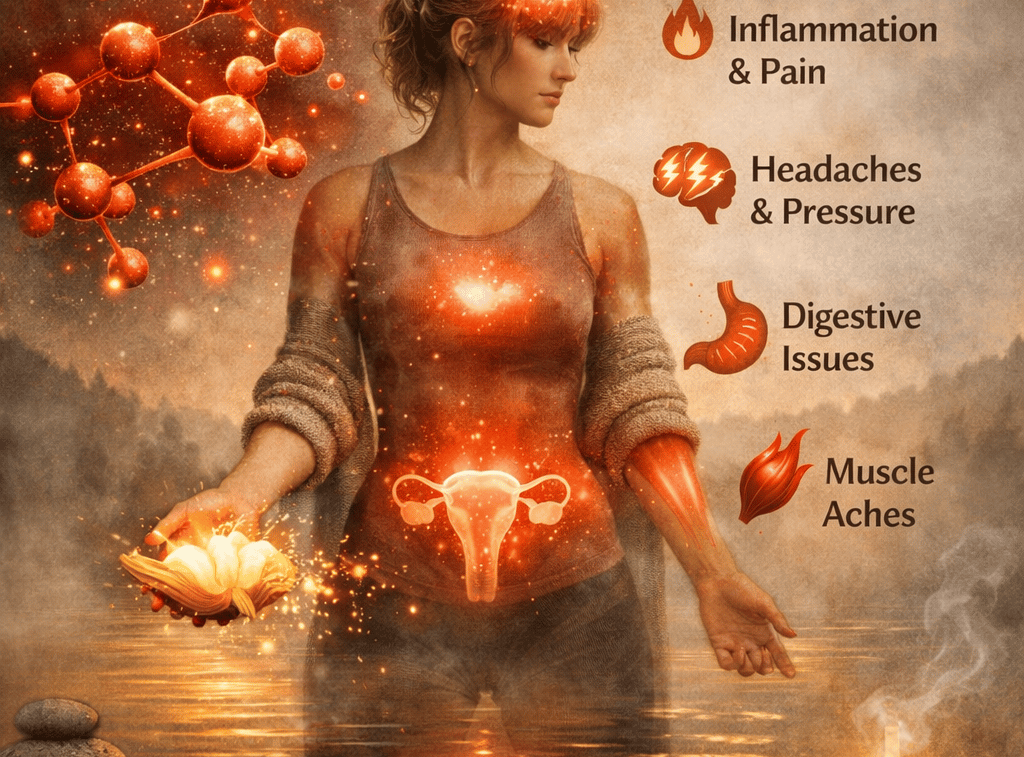
Prostaglandins trigger:
inflammation
cramping
bloating
nausea
diarrhea
headaches
full‑head pressure
muscle aches
fatigue
They’re powerful. They’re fast‑acting. They don’t ask for permission.
When prostaglandins spike, everything feels louder — your pain, your emotions, your symptoms, your exhaustion.
This isn’t “in your head.” It’s chemistry.
Why Your Head Feels Full or Foggy
This is the part most doctors never explain.
Prostaglandins don’t just act on the uterus. They can:
tighten blood vessels
increase inflammation
affect the nervous system
trigger headaches or pressure
create that “inflamed everywhere” feeling
So when your head feels full, foggy, swollen, or heavy during your cycle — that is a real physiological response, not an overreaction.
Women with adenomyosis, endometriosis, PMDD, perimenopause, or chronic inflammation often feel this even more intensely.
Why Symptoms Sometimes Improve After Passing a Clot
This is something many women experience — and rarely get answers for.
When a large clot releases, two things happen:
Prostaglandin levels drop quickly
Pelvic congestion decreases
That sudden shift can create:
clearer thinking
less head pressure
reduced bloating
calmer nervous system
emotional relief
It’s not “in your mind.” It’s your body finally letting go of the buildup.
Chronic Illness Makes Prostaglandins Hit Harder
If your body is already dealing with:
inflammation
hormonal imbalance
nervous system dysregulation
chronic pain
adenomyosis
perimenopause
…then prostaglandins don’t just cause cramps. They amplify everything.
This is why your symptoms feel unpredictable. Why your head feels full. Why your body feels inflamed. Why your energy crashes. Why your emotions feel heightened.
Your body isn’t broken — it’s overwhelmed.
The Mental Work Behind All of This
Healing chronic illness isn’t just physical. It’s the mental work of:
staying patient when your body feels stuck
calming a nervous system that’s been in survival mode
trusting your body even when symptoms feel loud
releasing fear one layer at a time
believing healing is possible even on the heavy days
This is the part no one sees. But it’s the part that changes everything.
You’re Not Imagining Your Symptoms — You’re Understanding Them
Prostaglandins explain so much of what women feel but never get answers for:
head pressure
fogginess
inflammation
emotional swings
sudden clarity after a clot
unpredictable symptoms
There is a reason. There is a pattern. There is a physiology behind your experience.
And now you have the language for it.
Want to Go Deeper?
This blog is part of a multi‑day series on:
prostaglandins
chronic illness
head pressure
clot release
mind‑body healing
Read more at wellnessmyway.online Follow daily updates: @midlifewellness_
Connect
Reach out for mindful wellness guidance
tania@wellnessmyway.online
© 2026. All rights reserved.