When My Bowels Slow Down, My Whole Body Talks Back
When my bowels slow down, my whole body feels it — from pelvic pressure and lower‑left back pain to mood swings, anxiety, and those strange dizzy spells no one warns you about. In this deeply honest midlife breakdown, I share how sluggish digestion affects everything from hormones to emotions, what I’ve learned from over 10 years with my naturopath, and why supporting healthy elimination has become one of the most important parts of my wellness routine. I also open up about my journey post‑IUD removal and the gentle tools — including herbs — that help my body find its rhythm again. If you’ve ever felt “off” in ways you can’t explain, this post will help you feel seen, validated, and less alone.
2/23/20263 min read
When My Bowels Slow Down, My Whole Body Talks Back
Midlife has taught me something I never expected: I can tell exactly what my hormones and digestion are doing based on how my body feels — especially my lower back, my mood, my pelvis, and even my balance. And if you feel this too, you’re not imagining it. You’re not dramatic. You’re not alone.
When my bowels get sluggish, the first thing I notice is the deep cramping and pelvic pressure. It’s not just bloating — it’s that heavy, downward sensation that makes me joke that my uterus is trying to fall out. That feeling is incredibly common in midlife because hormonal shifts can affect everything from pelvic floor tension to bowel motility to inflammation. When things aren’t moving, everything inside feels heavier, and that heaviness settles right in the pelvis.
The next thing that hits me is my mood. When my digestion slows, my emotions shift fast. My gut and hormones talk to each other constantly, and when things get backed up, I feel more irritable, more sensitive, and more overwhelmed. It’s not a character flaw — it’s physiology. The gut–brain connection is powerful, and when my system feels stuck, my mood does too.
Then there’s the lower back pain — especially on the left side. That’s where the descending colon sits, and when things slow down, the pressure builds. My muscles tighten, my posture shifts, and suddenly my lower back feels like it’s carrying the weight of everything I haven’t digested — physically and emotionally. Hormonal changes only amplify this.
And then there are the symptoms no one warns you about: the anxiety and the dizzy spells. When my bowels slow down, I don’t just feel physical discomfort — I feel my nervous system go into overdrive. My chest tightens, my breathing gets shallow, and sometimes I get these strange waves of dizziness that make me feel unsteady. Hormonal shifts can influence blood pressure, blood sugar, and the stress response, and when digestion is off, everything feels more intense.
One of the biggest lessons I’ve learned is that when things sit too long in the gut, everything feels worse. I don’t just feel bloated — I feel heavy, foggy, inflamed, anxious, and emotionally off. The gut is designed to move things along. When it doesn’t, my whole system feels overwhelmed. It’s not about dramatic language — it’s simply how the body works.
I’ve been working with my naturopath for over ten years, and she has taught me so much about the importance of elimination. She always reminds me that the bowels are one of the body’s main pathways of clearing out what it no longer needs. When that pathway slows, the whole body feels the strain. And I’ve lived that truth over and over. When things aren’t moving, I feel more inflammation, more pressure, more anxiety, more dizziness, more mood swings, more back pain, and more emotional overwhelm.
Supporting elimination has become one of the most important parts of my midlife wellness routine. When my bowels slow down, I don’t just feel uncomfortable — I feel unwell. And when things move regularly, I feel clearer, lighter, calmer, and more grounded. Elimination isn’t just physical. It’s hormonal. It’s emotional. It’s nervous‑system deep. It’s whole‑body wellness.
Part of what helps me is using certain herbs that support gentle, consistent movement. I’m not giving medical advice — just sharing what supports me. These herbs aren’t a cure or a quick fix. They’re simply part of what helps my body function the way it wants to.
And I have to mention this, because it’s been a huge part of my journey: ever since getting my IUD removed, my digestion has been completely different. It’s like my body had to relearn how to move things along. I felt slower bowels, more pelvic pressure, more cramping, more mood swings, more anxiety, more lower back pain, more dizziness, and more inflammation. My whole system felt like it was trying to recalibrate. Supporting my body through this transition is taking patience, hydration, warm foods, gentle movement, nervous system care, and the herbs that help me stay regular, well at least trying to right now.
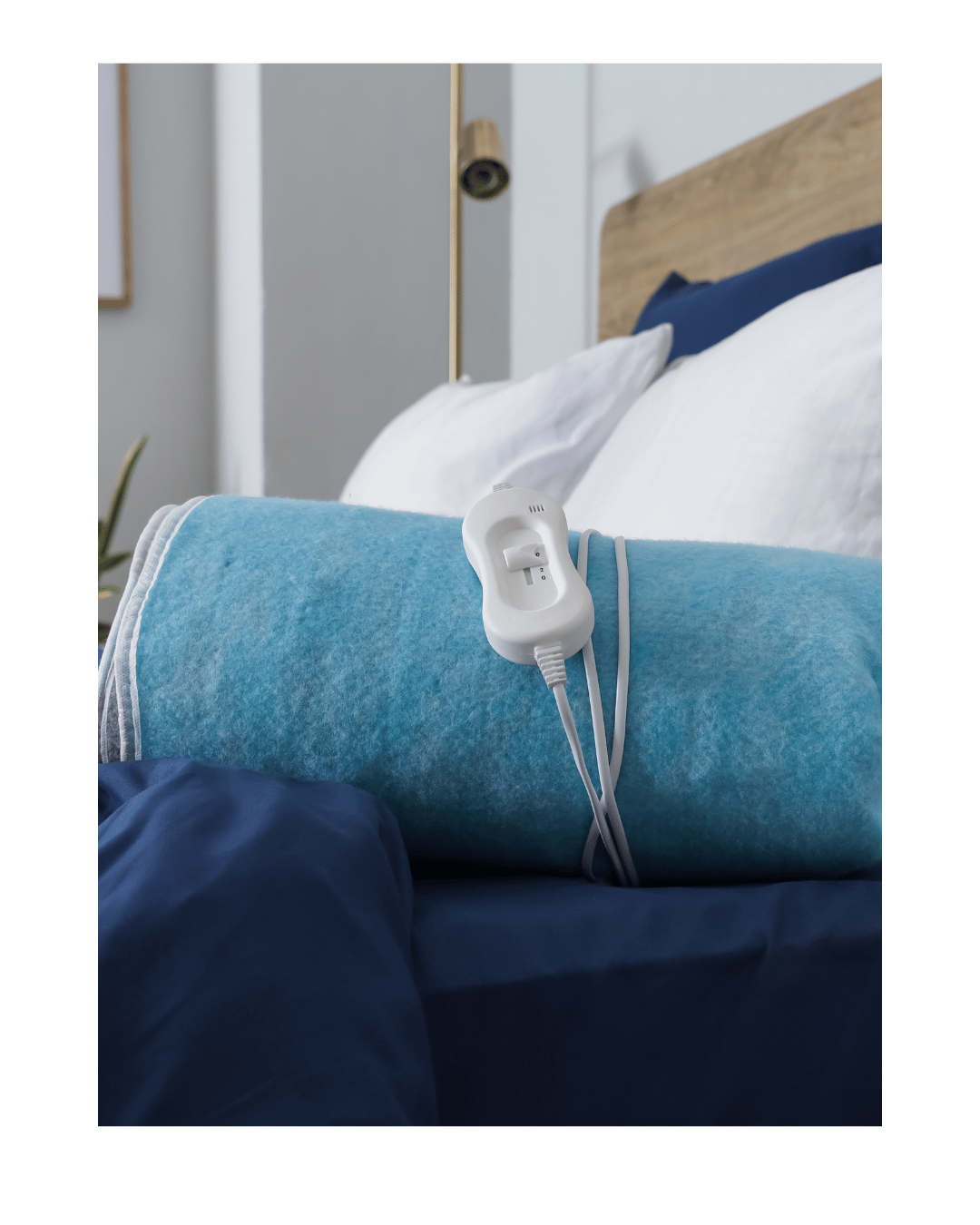
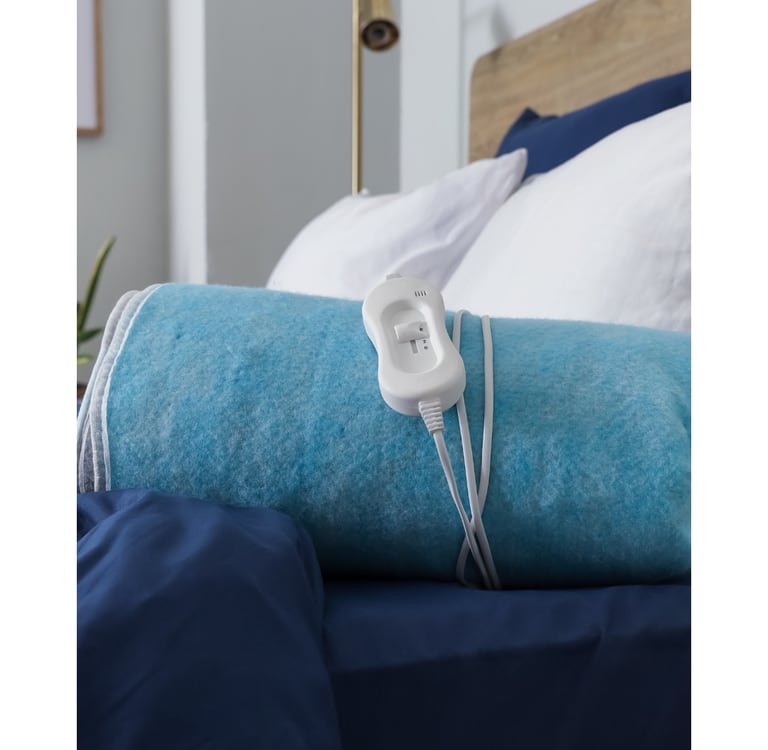
And through all of this, my heating pad has become my best friend. When the pelvic pressure gets heavy, when my lower‑left back starts aching, or when the anxiety and dizziness creep in, that gentle warmth is the one thing that helps my body soften. It relaxes the tension in my lower back, eases the cramping, and helps my nervous system settle. It’s not a cure — it’s comfort. And sometimes comfort is exactly what my midlife body needs most.
What helps me most is slowing down and listening to my body and a lot of times that means a nap. Warm foods, hydration, gentle movement, magnesium‑rich meals, and nervous system support make a huge difference for me. But the biggest shift has been releasing the guilt around needing softer days. My body isn’t failing — it’s communicating.
If your bowels are slow, your back hurts, your mood is swinging, your pelvis feels heavy, and your anxiety is spiking, your body is talking. Loudly. And you deserve support, not shame.
Connect
Reach out for mindful wellness guidance
tania@wellnessmyway.online
© 2026. All rights reserved.